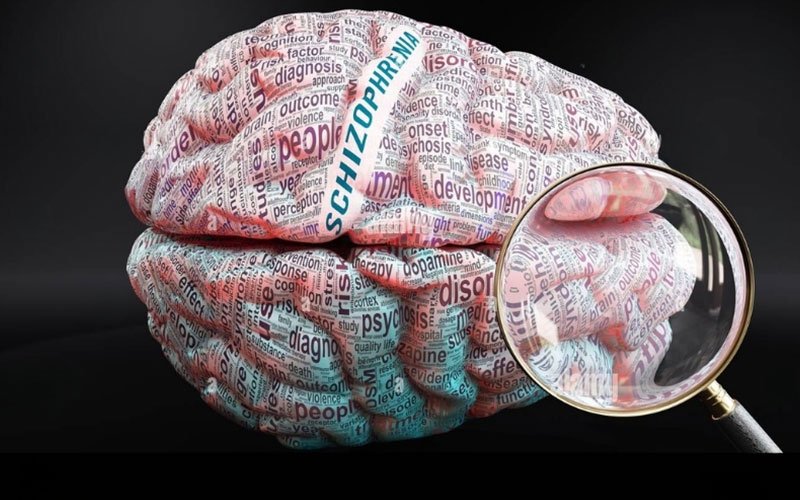
Schizophrenia is a serious mental health condition that affects how a person thinks, feels, and behaves. It may involve symptoms such as hallucinations, delusions, disorganized thinking, and difficulty in maintaining daily functioning. Individuals may also experience social withdrawal, reduced motivation, and emotional disturbances. Related conditions can present with similar symptoms, making early diagnosis essential for effective treatment. Understanding these signs at an early stage helps in providing timely intervention and improving long-term outcomes.
Treatment for schizophrenia and related conditions involves a combination of medication, psychotherapy, and continuous support. Antipsychotic medications help manage symptoms, while therapies focus on improving communication, behavior, and daily functioning. Family support, structured routines, and regular follow-ups are important in maintaining stability and preventing relapse. A comprehensive and consistent treatment approach allows individuals to manage symptoms effectively and gradually improve their quality of life.
It is important to understand that schizophrenia is a manageable condition with proper care and long-term support. Early treatment, adherence to medication, and a supportive environment play a crucial role in recovery. With the right guidance and consistent care, individuals can achieve stability, improve their independence, and lead a meaningful and fulfilling life.