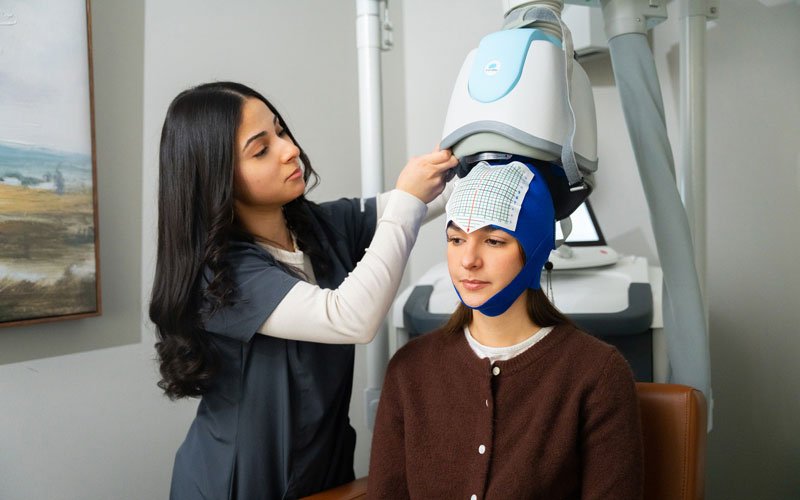
Migraine is a neurological condition characterized by intense, recurring headaches that can significantly affect daily life. It is often accompanied by symptoms such as nausea, sensitivity to light and sound, visual disturbances, and fatigue. Unlike regular headaches, migraines can last for hours or even days, making it difficult to carry out routine activities. Triggers may include stress, hormonal changes, irregular sleep, certain foods, or environmental factors. Identifying these triggers early is important for effective management and prevention of frequent migraine episodes.
Treatment for migraine focuses on both immediate relief and long-term prevention. Medications may be prescribed to reduce pain during an attack and to prevent recurring episodes. In addition, lifestyle modifications such as maintaining regular sleep patterns, managing stress, staying hydrated, and avoiding known triggers play a vital role in controlling symptoms. Behavioral therapies and relaxation techniques can further support individuals in reducing the frequency and intensity of migraines, improving overall quality of life.
It is important to understand that migraines can be effectively managed with the right treatment approach and professional guidance. Early diagnosis and consistent care can help minimize disruptions caused by migraine episodes. With proper support, individuals can regain control over their health, reduce the impact of migraines, and lead a more comfortable and productive life.