Anxiety disorders are among the most common mental health conditions, affecting how individuals think, feel, and behave in daily life. While occasional anxiety is a normal response to stress, persistent and excessive worry can interfere with routine activities, relationships, and overall well-being. Symptoms may include restlessness, rapid heartbeat, difficulty concentrating, irritability, and sleep disturbances. Identifying these early signs is essential to prevent the condition from worsening and to begin appropriate treatment at the right time.
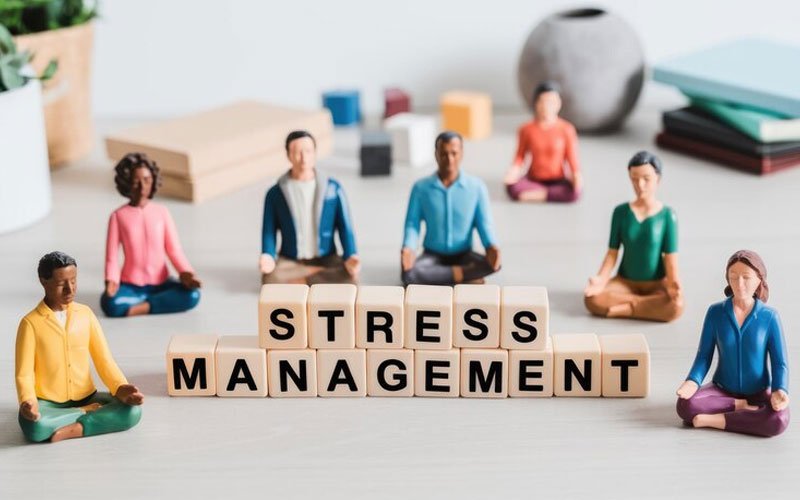
Effective management of anxiety involves a combination of psychological therapies, lifestyle modifications, and, when necessary, medication. Evidence-based approaches such as cognitive behavioral therapy (CBT) help individuals understand negative thought patterns and develop healthier coping strategies. In addition, maintaining a balanced lifestyle with regular exercise, proper sleep, and stress management techniques plays a crucial role in recovery. With the right support and guidance, individuals can regain control over their emotions and improve their quality of life.
It is important to remember that anxiety is treatable and seeking professional help is a positive step toward recovery. Early intervention, consistent care, and open communication with your psychiatrist can lead to long-term improvement. With the right approach, individuals can build resilience, manage stress effectively, and lead a calm, confident, and fulfilling life.